Study Guide
3. Green Customs
3.1. Definition
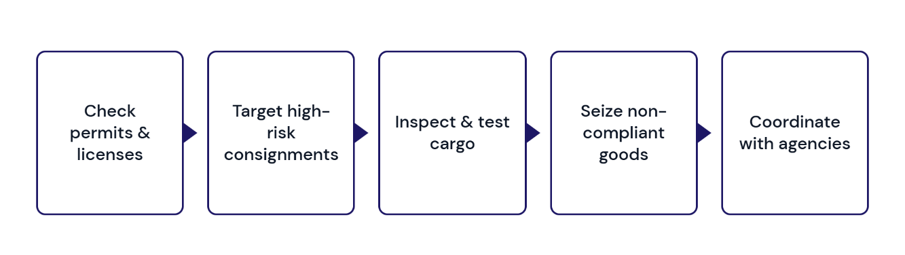
The United Nations Environment Programme (UNEP) and the Green Customs Initiative (GCI) define Green Customs as the work customs administrations do to enforce environmental laws, prevent illegal trade in environmentally sensitive goods, and support sustainable trade. It aligns customs practice with the major MEAs and with global agendas on climate change, biodiversity, hazardous waste, and ozone protection. In operational terms, it places three responsibilities on officers and border agencies:
- Enforce compliance with multilateral environmental agreements (MEAs)
- Prevent the illegal movement of regulated environmental commodities
- Facilitate trade in sustainable goods and environmentally sound technologies